
SEO Fundamentals

May 27, 2026
12 Min Read
SEO Fundamentals
SEO stands for “search engine optimization” and focuses on improving your visibility in unpaid (organic) search results, not ads.
Google ranks pages using hundreds of signals, but three levers matter most for you: relevance, quality, and technical performance.
The three core pillars of SEO are on-page SEO, off-page SEO, and technical SEO, and your results depend on how well they work together.
Different SEO types, such as local, e-commerce, content, and international SEO, matter at different stages of your growth.
Sustainable “white hat” SEO focuses on long-term, guideline-friendly tactics, while “black hat” shortcuts may lead to penalties and traffic loss.
Most businesses should start with technical and on-page foundations, then layer in content and link-building using a simple three-step prioritization framework.

SEO makes your website more discoverable for people already searching for the problems you solve or the products you sell. Instead of pushing ads into their feeds, you meet them at the moment they are actively looking for answers, comparisons, or solutions, which usually leads to higher-quality traffic and better conversion rates over time.

On-Page SEO
On-page SEO covers the content users see and the signals that help search engines understand it, such as headings, keywords, internal links, and structured data. The goal is to align each page with a clear search intent so a reader and a search engine can instantly tell what the page is about and who it helps.
When you optimize titles, meta descriptions, URLs, and body copy around those real phrases, you increase your chances of being discovered by the right visitors.
Off-Page SEO
Technical SEO
Local SEO
E-commerce SEO
Content SEO
White hat SEO follows search engine guidelines and focuses on long-term value through quality content, clean technical setups, and ethical link earning. It usually takes longer to show big wins but builds durable rankings and protects you from sudden penalties or visibility loss.
Black hat SEO uses manipulative tactics, such as keyword stuffing or aggressive link schemes, to chase quick ranking gains, often at the risk of being penalized.
Grey hat SEO lives in the middle, using tactics that may not be explicitly forbidden but push the boundaries of what is considered sustainable or safe.
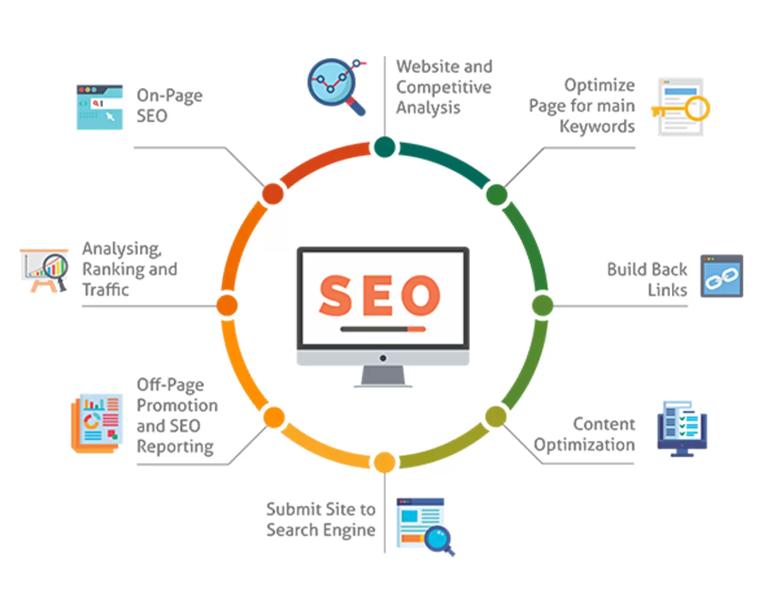
Consider a growing e-commerce brand: technical SEO ensures product pages load fast and are easy to crawl, on-page SEO explains benefits and specs in clear language, local SEO supports physical store searches if relevant, and off-page SEO builds trust through mentions and reviews. Together, these efforts help organic search drive not just traffic, but measurable sales.
Most businesses should follow a simple three-step prioritization framework.
Step 1
STEP 2
STEP 3
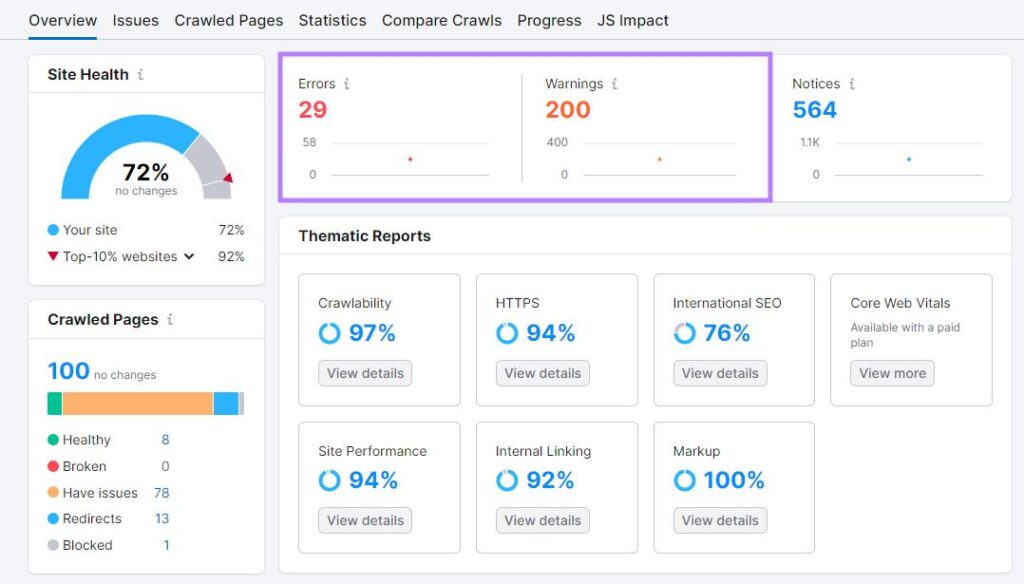
If you are managing SEO for an SMB, e-commerce brand, or B2B company, start by mapping your current pages against the three pillars. Identify where you have crawl or indexing gaps, thin or misaligned content on key pages, and limited external proof of authority.
SEO stands for “search engine optimization,” which is the practice of improving your website so it appears higher in organic search results for relevant queries. It covers how you structure your site, create and optimize content, and build authority so search engines can easily understand and recommend your pages.
Google uses algorithms that weigh hundreds of signals, including how relevant a page is to a search term, how helpful and trustworthy the content appears, and how well the page performs technically on different devices. Pages that best satisfy searcher intent while meeting quality and usability expectations are more likely to rank near the top.
The main types include on-page SEO, off-page SEO, and technical SEO, which work together to cover content, authority, and performance. Depending on your business, you may also rely heavily on local SEO, e-commerce SEO, content SEO, international SEO, or newer approaches for AI and voice-driven search.
Investing in SEO helps your business attract people who are already searching for your products or services, often at a lower long-term cost than paid advertising. Over time, strong SEO builds an owned traffic channel that compounds and supports more predictable leads and revenue.
SEO timelines vary, but many businesses start seeing meaningful movement within a few months, especially when fixing major technical or content gaps. More competitive keywords and markets can take longer, so it is important to focus on consistent action and track progress with clear, measurable goals.
While Google is the dominant search engine in many markets, SEO principles apply to other search platforms like Bing or regional engines as well. The core idea remains the same: understand how the platform evaluates relevance and quality, then optimize your site accordingly.
Many SMBs and mid-market teams can handle foundational SEO in-house with the right guidance, especially around content and basic technical hygiene. As your needs become more complex or you want to accelerate results, a specialized partner can help you prioritize, execute, and measure more advanced work.
SEO Strategist
Aanal specializes in SEO for SMBs, D2C brands, and niche industries, with over seven years of experience turning underperforming websites into predictable growth channels. Her work focuses on connecting technical SEO, content strategy, and measurement so businesses can see clear ROI from organic search.